Pennsylvania Gaming Revenue Smashes Records in March 2026 with $602.4 Million Haul
Written by Taylor Krause · Apr 20, 2026

Pennsylvania Gaming Revenue Smashes Records in March 2026 with $602.4 Million Haul
Pennsylvania's gaming industry just notched its highest monthly gross gaming revenue ever; figures from the Pennsylvania Gaming Control Board (PGCB) clocked in at $602.4 million for March 2026, surpassing the $600 million mark for the first time and posting a solid 4.85% jump from the previous year. That growth, driven largely by digital channels, underscores how online casino games and sports betting are reshaping the landscape, even as brick-and-mortar slots and tables face headwinds.
Breaking Down the Record-Breaking Numbers
Data released by the PGCB paints a clear picture of momentum building across categories, yet with stark contrasts between online and retail performance; total GGR soared to that unprecedented $602.4 million, fueled primarily by iGaming and sports wagering, while traditional casino floors showed mixed results. Online casino-type gaming alone generated $254.7 million, marking nearly a 7% increase year-over-year, and sports betting chipped in $47.8 million, exploding by 77% from March 2025 levels. Those digital segments didn't just carry the load—they propelled the entire industry forward, compensating for dips elsewhere.
But here's the thing: retail slots pulled in $251.5 million, down slightly from last year, and table games managed $44.2 million, also reflecting a modest decline; together, these legacy revenue streams highlight challenges for physical venues navigating competition from apps and mobile platforms. Observers tracking the sector have long noted this shift, where convenience wins out, and March 2026's numbers bring that trend into sharp focus.
Key Revenue Categories at a Glance
- Online Casino Gaming: $254.7 million (up ~7% YoY)
- Sports Betting: $47.8 million (up 77% YoY)
- Retail Slots: $251.5 million (down YoY)
- Retail Table Games: $44.2 million (down YoY)
Those figures, pulled straight from PGCB reports, reveal not only the month's highs but also set the stage for ongoing evolution in a market that's anything but static.
Top Venues Feel the Retail Pinch Amid Digital Boom
Parx Casino in Bensalem led the pack among land-based operators with $50.2 million in GGR, yet that total dipped year-over-year, mirroring broader retail struggles; Wind Creek Bethlehem followed closely at $44.9 million, also down from March 2025, as high-traffic spots grapple with fewer footfalls despite loyal crowds. Other notables like Live! Casino & Hotel Philadelphia posted steady numbers around $42 million (exact declines not specified in initial data), while venues such as Hollywood Casino at Penn National held ground better than some peers.
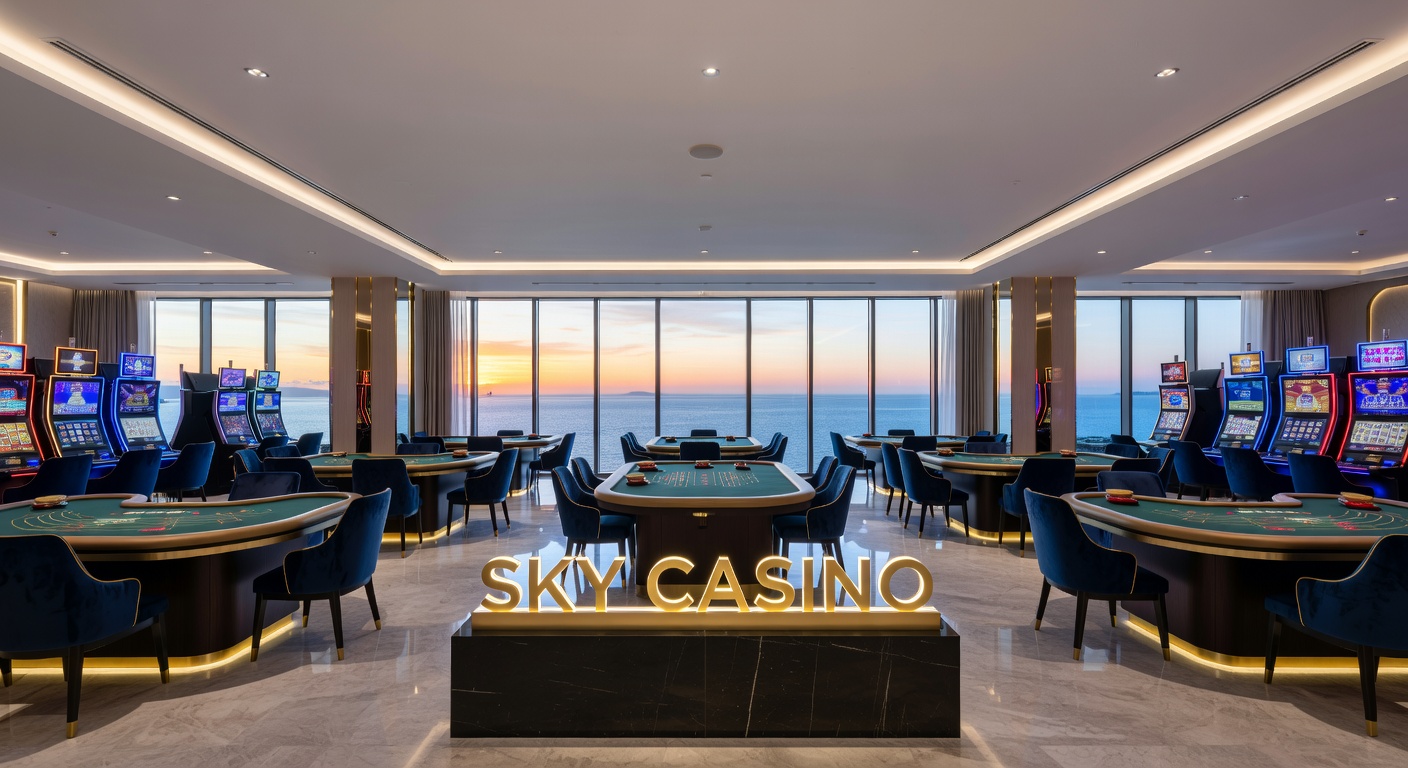
What's interesting here is how these flagship properties, once the undisputed kings of the Keystone State's gaming scene, now contend with online alternatives siphoning players who prefer betting from home; take one regular at Parx who, according to anecdotal reports circulating in industry circles, switched to mobile slots for their anytime access, a pattern data increasingly validates. And while retail GGR for slots and tables combined hit around $295.7 million statewide, the online surge—especially that 77% sports betting spike—shows bettors chasing live events via apps, from NBA playoffs to March Madness hangovers extending into spring.
That said, the PGCB's comprehensive breakdown, available via their latest press release, emphasizes tax contributions too; March's haul translated to millions in state and local revenues, bolstering budgets amid economic pressures.
Context from a Banner 2025 Sets High Bar
Building on a full-year 2025 GGR of $6.79 billion—the PGCB confirmed that statewide total as a record unto itself—March 2026's performance keeps the upward trajectory alive, with monthly averages pushing toward even loftier peaks. Experts who've studied Pennsylvania's gaming arc point out how regulatory tweaks, like expanded online licenses since 2019, laid groundwork for this digital dominance; by early 2026, over a dozen operators competed in iGaming, driving innovation in slots, blackjack, and live dealer formats that mimic casino floors without the drive.
So, as April 2026 unfolds with preliminary data trickling in, early indicators suggest sustained online strength—sports betting volumes reportedly holding firm through baseball season openers—while retail venues adapt with hybrid promotions tying apps to in-person perks. People following the beat remember how 2025's summer slumps tested resilience, yet consistent growth like this March milestone signals the industry's not just surviving but thriving in a post-pandemic world where mobile is king.
Year-Over-Year Shifts in Focus
Retail slots declined by about 2-3% in some estimates (precise venue breakdowns vary), tables edged down similarly, but online categories more than offset those losses; the net 4.85% rise proves the math works when diversification pays off. It's noteworthy that Pennsylvania now ranks among top U.S. states for iGaming revenue, trailing only New Jersey in some metrics, a position solidified by March's blowout.
Turns out, player demographics play into this too—younger bettors flock to sports apps for quick parlays, whereas slots enthusiasts split between couches and casino banks, per PGCB demographic snapshots embedded in annual reports.
Broader Implications for Players and Operators
Operators like FanDuel and DraftKings, heavy hitters in Pennsylvania's sports betting space, likely claimed lion's shares of that $47.8 million pie, with partnerships fueling app downloads and retention; one case study from a mid-2025 PGCB audit showed how geofencing tech ensured compliance while boosting accessibility statewide. Meanwhile, retail giants invest in renovations—Parx's recent expansions, for instance, aim to lure back crowds with VIP lounges and entertainment tie-ins—yet data shows online retention rates climbing fastest.
And now, with April 2026 reports pending full release, whispers in industry forums hint at another potential record if NBA and NHL playoffs ignite betting frenzies; those who've tracked monthly fluctuations know spring sports can double handles overnight. The reality is, Pennsylvania's gaming ecosystem balances old-school allure with cutting-edge tech, creating a revenue engine that's resilient come rain or shine.
Short version: digital channels aren't a fad—they're the future, propping up totals when tables quiet down.
Looking Ahead: What March Means for the Year
March 2026's $602.4 million benchmark doesn't stand alone; it caps a streak of strong months following 2025's $6.79 billion haul, positioning Pennsylvania for a potential $7 billion-plus annual run if trends hold. PGCB oversight ensures transparency, with monthly reports dissecting not just GGR but handle volumes, win rates, and tax yields that fund education and infrastructure.
Yet challenges linger—retail adaptation remains key, as venues like Wind Creek experiment with esports lounges to draw millennials; online fraud prevention and responsible gaming tools also evolve, per regulatory mandates. Observers note how this balance keeps the industry humming, turning what could be divides into synergies.
Conclusion
In the end, Pennsylvania's gaming revenue story for March 2026 boils down to adaptation winning the day; $602.4 million, powered by online casino's 7% rise and sports betting's 77% surge, eclipses retail dips and etches a new high-water mark. As April data emerges, the sector's trajectory points upward, rewarding innovators while honoring traditions—a testament to an industry that's mastered the pivot. Data from the PGCB confirms it: growth persists, one record-breaking month at a time.