San Pablo Prepares for Budget Discussions as Structural Deficit Looms for 2026-27
Written by Mara Albrecht · May 18, 2026

San Pablo Prepares for Budget Discussions as Structural Deficit Looms for 2026-27
City officials in San Pablo have outlined a projected $2 million annual structural deficit for fiscal year 2026-27, and this shortfall stems from several years of stagnant revenues combined with increasing operational expenses that continue to strain resources across departments. The situation has prompted preparations for public engagement sessions where residents can learn more about the numbers driving these challenges. The San Pablo Lytton Casino serves as the primary contributor to the city’s general fund, accounting for roughly 59 percent of that revenue stream, yet payments from this source have remained flat over the past four consecutive years and now total approximately $3.35 million annually. This pattern of limited growth has reduced the flexibility that local leaders once relied upon when planning expenditures for essential services.Understanding the Revenue Pressures
Flattening income from the casino has created a noticeable gap between available funds and rising demands, while city leaders track these trends closely through ongoing financial reviews. Observers note that such dependency on a single major source can limit options when external factors shift, and data from recent fiscal periods illustrates how this reliance has shaped current projections. According to the Budget Update (FY 2026-27 structural deficit and revenue analysis), the city continues to monitor these figures as part of its regular planning cycle.
Additional revenue threats have emerged with the development of a new proposed casino in neighboring Solano County, which could draw visitors away from existing gaming facilities and further affect local collections in future years. City analysts have incorporated this possibility into their forward-looking assessments because regional competition often influences spending patterns among residents and tourists alike.
Rising Costs Add to the Strain
General liability insurance expenses have tripled since 2020, and this increase represents one of several cost categories that have outpaced revenue growth in recent budgets. Personnel costs, maintenance needs, and other operational items have also climbed, creating a cumulative effect that narrows the margin for unexpected developments. Those who have reviewed the city’s financial statements point out that insurance rates reflect broader market conditions affecting many municipalities, yet the pace of change here has accelerated the overall pressure. Community members will have opportunities to examine these details during two scheduled virtual informational meetings, with the first set for May 20 in English and the second planned for May 27 in Spanish. Officials intend to present explanations of budget challenges, current investments, and possible effects on services such as public safety and infrastructure maintenance, allowing participants to ask questions and understand trade-offs under consideration.Community Engagement and Next Steps
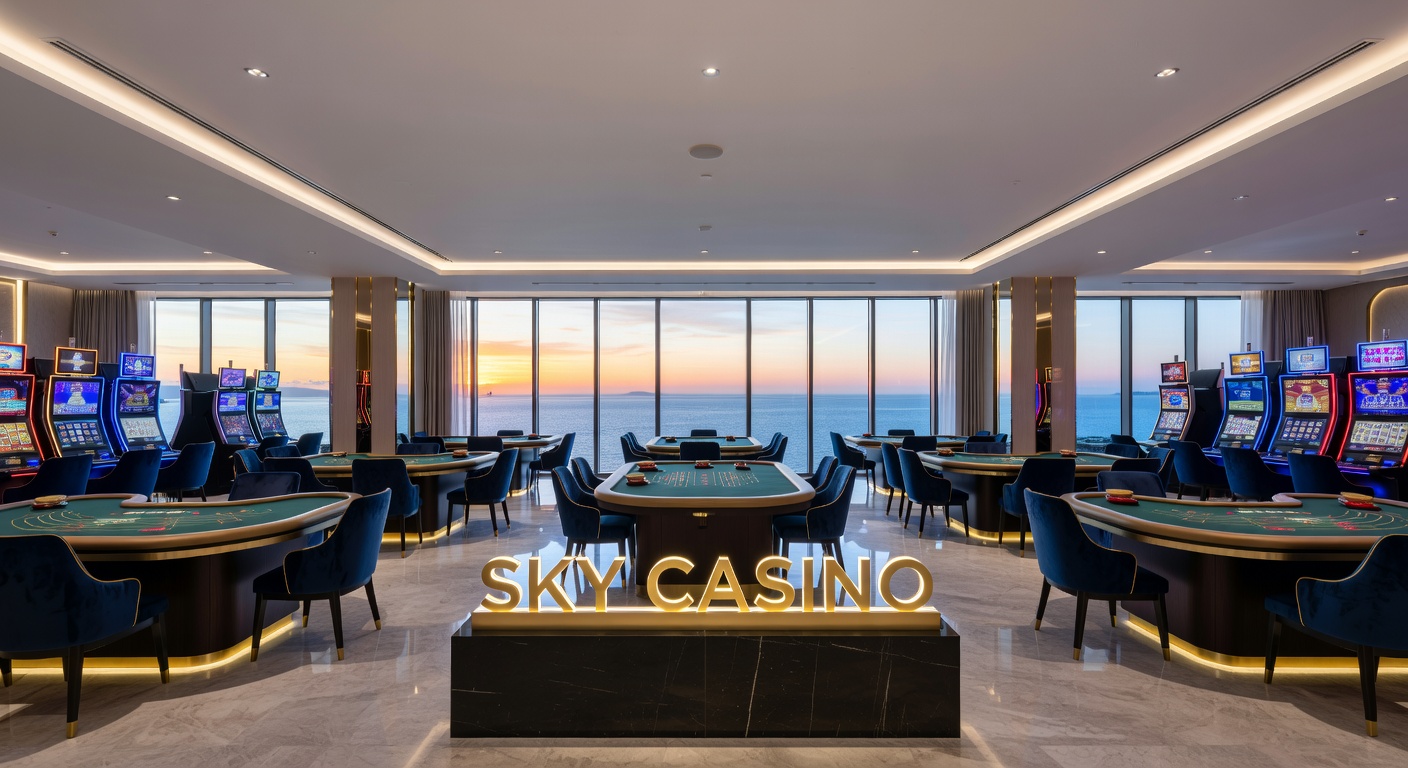 The upcoming sessions aim to foster transparency around fiscal decisions that could influence daily operations throughout the city, and residents have been encouraged to join so they can hear directly from staff about the data behind each projection. Discussions will cover how revenues from the Lytton Casino fit into the larger picture while addressing the potential ripple effects from the Solano County project that remains under development.
City records show consistent efforts to balance service levels with available resources, and the meetings provide a forum for sharing that information with a wider audience before final budget adoption. Participants can expect breakdowns of specific line items along with context on why certain expenses have grown faster than others in recent cycles.
Looking Ahead
Projections for 2026-27 highlight the need for continued monitoring of both local gaming revenues and regional developments that might alter visitor flows, yet officials have emphasized that no final decisions have been made regarding service adjustments. The virtual format allows broader access for those who work during typical meeting hours or prefer language-specific presentations, and the Spanish session ensures participation from a larger segment of the community.
As planning advances, attention remains focused on maintaining core functions while exploring ways to address the structural gap without relying solely on one-time measures. The combination of flat casino contributions, higher insurance premiums, and emerging competition forms the core of the current outlook that residents will review in the coming weeks.